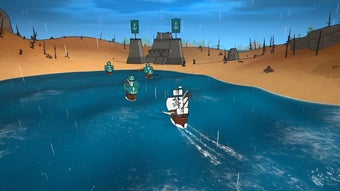
Inventory-driven pirate roguelike where your loot becomes your ship
So, a battered map and a handful of loot set the scene in Roguebound Pirates, developed by Redbeak Games, an action roguelike that casts players as captains probing dangerous seas. The game's loop asks you to loot, fight, and upgrade across run-based encounters to turn short successes into longer ambitions. Public playtests operate on Steam and expose core mechanics early, aimed at fans of tactical roguelikes who favor careful progression.
What kind of game is Roguebound?
So, you wake to a battered map and a handful of loot; the immediate goal is to press that luck into greater power. Roguebound places the player in stylized pirate waters where runs challenge you to survive naval skirmishes and outmaneuver sea monsters. The core loop emphasizes short runs that accumulate resources for longer-term ambition, set inside procedurally generated waters that change approaches each attempt.
How does the inventory-as-ship mechanic affect tactics?
Thus, the standout design is its inventory-as-ship system, where item placement directly alters a vessel's layout and capabilities. That mechanic pushes tactical choices into inventory management, not just loadouts. Consequences include:
- positioning weapons to cover firing arcs
- placing modules to protect vital slots
- combining items to trigger powerful synergies
These interactions reward experimentation and can produce unpredictable, high-power combinations that redefine single runs.
What does the game look and sound like?
So, the art direction leans toward a vibrant, stylized pirate palette visible in trailers and playtests, giving encounters a clear silhouette language. Audio details are not extensively documented in previews, but naval combat emphasis suggests layered weapon and environmental cues. The game targets Windows PC via Steam and the developer notes ongoing optimizations for the Steam Deck. Redbeak is a solo indie studio founded by Tuomas Auronen, with prior roguelike experience.
What keeps players returning after the first session?
Players return because of persistent goals and unpredictable encounters. The base-building system functions as persistent progression between runs, unlocking expansions to a pirate haven that alter run incentives. Procedural world generation ensures encounter variety, while a synergy-focused item design encourages players to remake loadouts to chase powerful combinations discovered during public playtests. Early tests highlight curiosity about emergent builds, which supports continued experimentation across multiple sessions.
Roguebound rewards methodical captains more than pick-up play
Roguebound is a fitting choice for players drawn to tactical, loot-focused runs and long-term advancement; its public playtest phase means systems are actively iterated, so expect change. Those comfortable with experimentation and incremental progression find the design rewarding, while players seeking quick, single-session play may find the pace mismatched. Playtests highlight interest in emergent builds, indicating a lively discovery loop.